
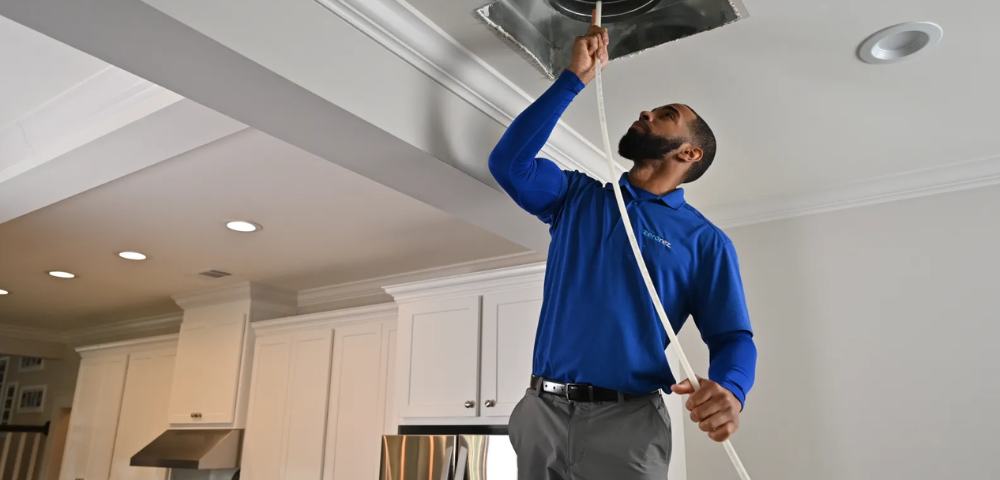
Your home’s HVAC system relies on a network of ducts to distribute conditioned air. When these ducts develop leaks, cracks, or other damage, it impacts comfort and efficiency. Addressing these issues promptly through duct repair is essential. However, understanding the potential costs involved requires looking beyond a simple price tag. Several factors influence the final expense of getting your air ducts back in optimal condition.
Key points
- The extent of damage is the primary factor in duct repair costs.
- Materials used and skilled labor rates significantly influence the total price.
- Accessibility and complexity of the repair location add to the overall expense.
- Duct replacement is a more costly option than repair but may be necessary for severely damaged systems.
- Additional services like air duct sanitizing and UV light installation increase the total project cost.
Assessing the Scope of Duct Repair
The primary driver of duct repair cost is the extent of the damage. Minor issues, such as small perforations or disconnected seams, require less material and labor than extensive damage. For instance, a simple patch on a straight section of duct will naturally cost less than repairing a complex elbow joint or a severely corroded area. Technicians will first diagnose the problem, identifying the exact location and nature of the damage. This assessment guides the repair strategy and, consequently, the pricing. The type of ductwork also plays a role; flexible ducts may present different repair challenges and costs compared to rigid metal ducts.
Materials and Labor Costs
The materials needed for duct repair are a significant cost component. Common repair materials include metal sheets, specialized tapes, sealants, and, in some cases, replacement sections of ductwork. The specific material chosen depends on the type of ducting and the nature of the damage. For example, repairing a metal duct might involve sheet metal and mastic sealant, while a flexible duct might require special connectors or patches. Labor is another critical factor. The hourly rates of skilled HVAC technicians, combined with the estimated time to complete the repair, form a substantial part of the overall expense. More complex repairs, or those in difficult-to-access locations like crawl spaces or attics, will naturally increase labor time and cost.
Complexity and Accessibility
The location and accessibility of the damaged ducts significantly influence duct repair costs. If ducts are easily reachable in an open basement or utility room, the repair will likely be quicker and less expensive. Conversely, ducts situated in tight crawl spaces, high ceilings, or within finished walls present greater challenges. Technicians may need extra time and specialized equipment to reach these areas safely, increasing the labor component of the bill. The complexity of the repair itself also adds to the cost. For example, repairing a duct that requires rerouting or integration with existing HVAC components will be more involved and costly than a straightforward seal or patch.
When Duct Replacement Becomes Necessary
While duct repair addresses specific breaches, sometimes the damage is too widespread or the ductwork too old to warrant repair. In such cases, duct replacement is the more practical and cost-effective long-term solution. Factors that lean towards replacement include widespread corrosion, multiple significant holes, collapsed sections, or ducts that are severely undersized or poorly designed for the HVAC system. The cost of duct replacement is typically higher than repair because it involves removing old materials and installing an entirely new system. However, it offers the benefit of improved efficiency and longevity, potentially saving money on energy bills and future repairs. The decision between repair and replacement hinges on a thorough assessment of the ductwork’s overall condition and the expected lifespan of either solution.
Additional Services: Air Duct Sanitizing and UV Lights
Beyond basic repair or replacement, homeowners may opt for additional services that influence the total cost. Air duct sanitizing is often performed in conjunction with cleaning or repair to eliminate mold, bacteria, and odors within the ductwork. This process uses specialized disinfectants and equipment. Another common upgrade is the UV light external installation. These UV lights are installed inside the ductwork to continuously kill airborne contaminants as air passes through. While these services enhance indoor air quality and system hygiene, they represent an additional expense on top of the primary duct repair or replacement.
Dryer Vent Cleaning Considerations
It’s important to distinguish HVAC duct repair from dryer vent cleaning. While both involve air pathways, dryer vents handle lint and moisture and pose a fire risk if clogged. The cost of dryer vent cleaning is generally separate from HVAC duct repair. However, if a professional is already on-site for duct work, they might offer bundled services or a discount for dryer vent cleaning. The expense for dryer vent cleaning depends on the length and complexity of the vent run, and whether any significant blockages or repairs are needed within the vent itself.
Common questions
What is the average cost of duct repair?
The average cost of duct repair can vary significantly, but it generally ranges from a few hundred dollars for minor fixes to over a thousand for more extensive work. The final price depends on the extent of the damage, the materials needed, labor rates, and the accessibility of the ducts.
When should I consider duct replacement instead of repair?
You should consider duct replacement when the existing ductwork is extensively damaged, heavily corroded, collapsing, or if multiple significant repairs are needed. If the ductwork is very old or improperly sized, replacement often offers better long-term efficiency and performance than repeated repairs.
How much does air duct sanitizing cost?
The cost of air duct sanitizing typically adds to the overall price of duct cleaning or repair services. While specific pricing varies, it’s an additional service that contributes to better indoor air quality by eliminating contaminants within the ducts.
Does UV light installation in ducts increase the cost?
Yes, a UV light external installation is an additional service and will increase the total cost. These systems are installed to improve air quality by neutralizing airborne pathogens as air circulates through your HVAC system.
Is dryer vent cleaning part of HVAC duct repair?
No, dryer vent cleaning is a separate service from HVAC duct repair. While both involve air pathways, dryer vents manage lint and moisture. The cost and process for dryer vent cleaning are distinct, though they can sometimes be bundled with other services.