
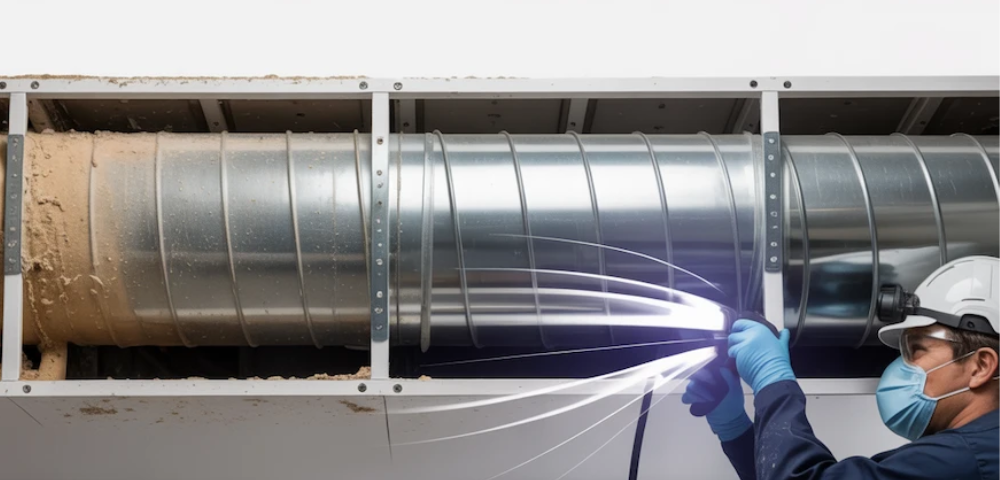
When your home’s HVAC system isn’t performing optimally, it might be time to consider replacing the ductwork. Old, damaged, or improperly sized ducts can lead to energy inefficiency, poor air quality, and uneven temperatures throughout your house. Understanding the variables that contribute to the cost of duct replacement is crucial for budgeting and making informed decisions for your property in areas like Mary Esther, Gulf Breeze, Freeport, and Ferry Pass.
Key points
- Home size and the linear footage of ductwork needed are primary cost drivers.
- Material choices (flexible vs. rigid metal) significantly impact the initial price.
- Installation complexity, access to ductwork areas, and labor rates affect the total expense.
- Getting detailed quotes from multiple reputable HVAC contractors is recommended.
- Properly sealed and insulated ductwork is essential for energy efficiency and indoor air quality.
Why Duct Replacement is Sometimes Necessary
Ductwork serves as the circulatory system for your home’s heating and cooling. Over time, these vital channels can degrade. Common issues include leaks, which allow conditioned air to escape into unconditioned spaces like attics or crawl spaces, wasting energy and increasing utility bills. Tears or holes can also draw in dust, mold, and other contaminants, circulating them throughout your living areas. In older homes, duct systems may not have been designed to meet the demands of modern HVAC equipment or the specific layout of the house, leading to poor airflow and comfort. Signs that replacement might be needed include unexplained high energy bills, rooms that are consistently too hot or too cold, unusual noises from vents, or visible damage to existing ductwork.
Factors Influencing Duct Replacement Costs
The price of replacing HVAC ductwork is not a one-size-fits-all figure. Several key elements contribute to the overall expense. The total square footage of your home is a primary driver, as it dictates the linear footage of ductwork required. Larger homes naturally need more material and labor. The type of material used also plays a significant role. Flexible ductwork, often made of plastic or metal wrapped in insulation, is generally less expensive upfront than rigid metal ducts, which are more durable but costlier. The complexity of the installation is another major factor. Homes with difficult-to-access attics, crawl spaces, or multiple levels may require more labor time and specialized techniques, increasing the cost. The scope of the project also matters; sometimes, only sections of the ductwork need replacement, while other times, a full system overhaul is necessary. Finally, the specific contractor you choose will have their own pricing structure based on their overhead, experience, and the services they include, such as removal of old materials and system testing.
Material Choices and Their Impact
The material selected for your new ductwork significantly influences both the initial cost and long-term performance. Sheet metal ducts, typically made of galvanized steel, are known for their durability and longevity. They offer excellent airflow and are less prone to sagging or collapsing. However, they are usually more expensive to purchase and install than their flexible counterparts. Flexible ducts, on the other hand, are often more budget-friendly and easier to maneuver through tight spaces. They come in insulated and uninsulated varieties. Insulated flexible ducts are recommended to prevent energy loss and condensation. While flexible ducts can be a practical choice for certain applications, they can sometimes restrict airflow if not installed correctly or if they become kinked over time. Considering the climate in Northwest Florida, where humidity can be a factor, the choice between rigid and flexible, and the quality of insulation, will impact efficiency.
Labor and Installation Complexity
The labor component of duct replacement is often as substantial as the material cost. Skilled technicians are required to accurately measure, cut, seal, and connect the new ductwork to your existing HVAC system. This process demands precision to ensure airtight seals, which are critical for efficiency. Difficult access points, such as finished ceilings, narrow crawl spaces, or extensive attic insulation, can significantly increase the time and effort involved. If the existing ductwork is in a particularly challenging location, the installation crew may need to employ special equipment or take detours, all of which contribute to the labor hours billed. The removal and disposal of old duct materials also factor into the labor equation. A comprehensive installation will typically include testing the new system for leaks and proper airflow before completion.
Regional Considerations and Contractor Selection
The cost of services can also vary based on your location within Northwest Florida. Prices for labor and materials may differ slightly between towns like Melbourne and larger metropolitan areas, although the core factors remain consistent. When selecting a provider in areas such as Navarre or Mary Esther, it’s important to get detailed quotes from multiple reputable companies. Look for contractors who clearly outline what is included in their estimate, such as the type and amount of material, labor, disposal, and any warranties. A qualified HVAC professional will assess your home’s specific needs, discuss your options, and provide a transparent breakdown of costs. Checking reviews and asking for references can also help ensure you choose a provider experienced in duct replacement projects.
Common questions
What is the average cost of replacing air ducts?
The cost of replacing air ducts varies widely based on home size, material choices, labor complexity, and regional pricing. There is no single average cost, as each project has unique requirements.
Does the size of my home affect duct replacement cost?
Yes, the size of your home is a major factor because it determines the total amount of ductwork needed. Larger homes require more materials and labor, thus increasing the overall cost.
Are flexible ducts cheaper than metal ducts?
Generally, flexible ducts are less expensive upfront than rigid metal ducts. However, the long-term performance and durability can differ, and proper installation is crucial for both types.
What is included in a typical duct replacement estimate?
A typical estimate should include the cost of materials, labor for installation, removal and disposal of old ductwork, and potentially system testing. It’s important to review quotes carefully for specific inclusions.