
Pensacola's warm and humid climate can significantly affect the air inside your home. When heat and humidity levels rise, so does the potential for poor indoor air quality. Understanding these effects and the solutions available can help you maintain a healthier living environment.
The Impact of Heat and Humidity on Indoor Air
Elevated temperatures and moisture in the air create an ideal breeding ground for mold and mildew. These microorganisms can thrive on surfaces and within your HVAC system, releasing spores into the air you breathe. High humidity also encourages the growth of dust mites, which are microscopic creatures that feed on dead skin cells and can trigger allergies and asthma symptoms. Furthermore, when outdoor air quality is compromised due to heat, smoke, or pollutants, these contaminants can infiltrate your home, especially if your ventilation system is not properly sealed. This can lead to a stuffy, uncomfortable atmosphere and potentially exacerbate respiratory issues for sensitive individuals. "Mold and mildew can grow in damp, humid areas and can spread throughout the home," according to the South Florida Reporter [news-1]. The article also notes that "dust mites and other allergens can thrive in humid environments" [news-1]. Addressing these issues is crucial for maintaining a healthy indoor environment, particularly during Pensacola's warmer months.
Improving Your Home's Air Through Filtration and Cleaning
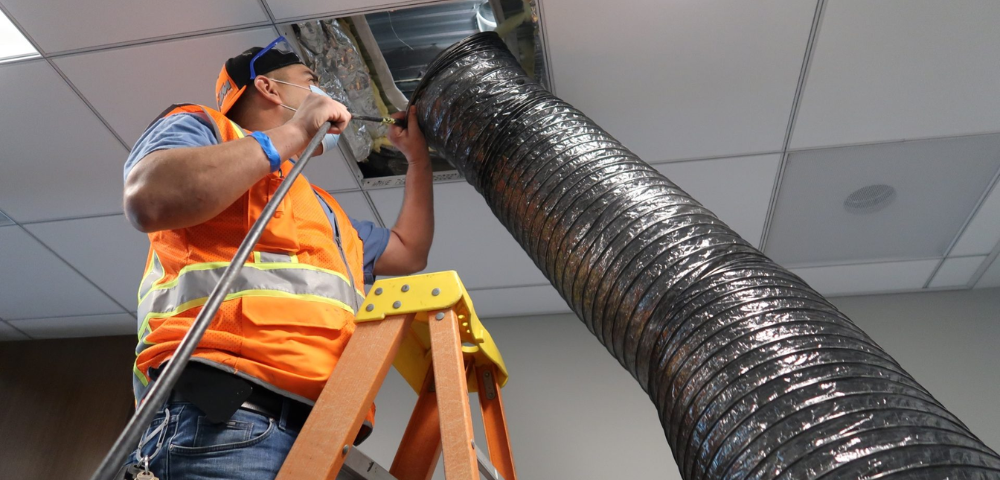
Maintaining clean air ducts is a fundamental step in combating poor indoor air quality. Over time, dust, pollen, pet dander, and other debris can accumulate within your ductwork, recirculating these particles throughout your home every time your HVAC system operates. Professional air duct cleaning removes these contaminants, preventing them from being redistributed and improving the efficiency of your system. For persistent issues with mold, mildew, or bacteria, air duct sanitizing can provide an additional layer of protection. This process involves treating the interior of the ducts with specialized antimicrobial agents to eliminate or inhibit the growth of harmful microorganisms. "Regular cleaning of air ducts can help remove allergens and pollutants that can accumulate over time," as suggested by the South Florida Reporter [news-1]. In addition to duct cleaning, ensuring your HVAC system's filters are clean and effective is paramount. High-efficiency particulate air (HEPA) filters can capture smaller particles that standard filters might miss. For homes with significant allergen concerns, consider upgrading to a higher MERV-rated filter or a whole-house filtration system. These measures work in tandem to capture airborne irritants before they circulate widely.
Advanced Solutions for Enhanced Air Purity
Beyond routine cleaning and filtration, several advanced services can further enhance your home's indoor air quality. The installation of UV lights within your HVAC system offers a proactive approach to air purification. These lights are positioned to treat the air as it passes through the system, effectively neutralizing airborne bacteria, viruses, and mold spores before they can spread. This is particularly beneficial in humid climates where mold growth is more prevalent. Dryer vent cleaning is another important, often overlooked, service. While not directly related to HVAC air quality, a clogged dryer vent poses a fire hazard and can also contribute to poor air circulation within the home, potentially pushing lint and moisture back into living spaces. Ensuring your dryer vent is clear allows for proper ventilation and reduces the risk of indoor air contamination from this source. "Ensuring proper ventilation and air flow can help reduce moisture buildup and prevent the growth of mold and mildew," the South Florida Reporter explains [news-1]. For homes experiencing significant air quality issues or structural problems with their ductwork, duct repair or even complete duct replacement might be necessary. Leaky or damaged ducts can allow unfiltered outdoor air and other contaminants to enter your home, undermining any efforts to purify the indoor environment. Addressing these structural issues ensures that your HVAC system operates efficiently and that the air being conditioned is the air you intend to circulate.
Key takeaways
- High heat and humidity create conditions favorable for mold, mildew, and dust mites.
- Regular air duct cleaning removes allergens and pollutants that circulate in your home.
- UV light installation offers a proactive way to neutralize airborne pathogens.
- Ensuring proper ventilation and addressing duct issues are key to managing indoor air quality.
Frequently asked questions
What causes poor indoor air quality in Pensacola?
Poor indoor air quality in Pensacola is often caused by high heat and humidity, which promote the growth of mold, mildew, and dust mites. Additionally, pollutants from the outside can enter the home and circulate through the HVAC system.
How does humidity affect indoor air quality?
Humidity provides the moisture necessary for mold, mildew, and dust mites to thrive indoors. High humidity levels can also make the air feel stuffy and may encourage the growth of other airborne contaminants.
What is the benefit of air duct cleaning?
Air duct cleaning removes accumulated dust, pollen, pet dander, and other debris from your ductwork. This prevents these particles from being recirculated into your home, leading to cleaner air and potentially improved HVAC system efficiency.
Can UV lights improve my home's air?
Yes, UV lights installed in your HVAC system can neutralize airborne bacteria, viruses, and mold spores as air passes through, helping to purify your indoor environment and reduce the spread of microorganisms.
Sources
- How to Improve Indoor Air Quality at Home – South Florida Reporter