
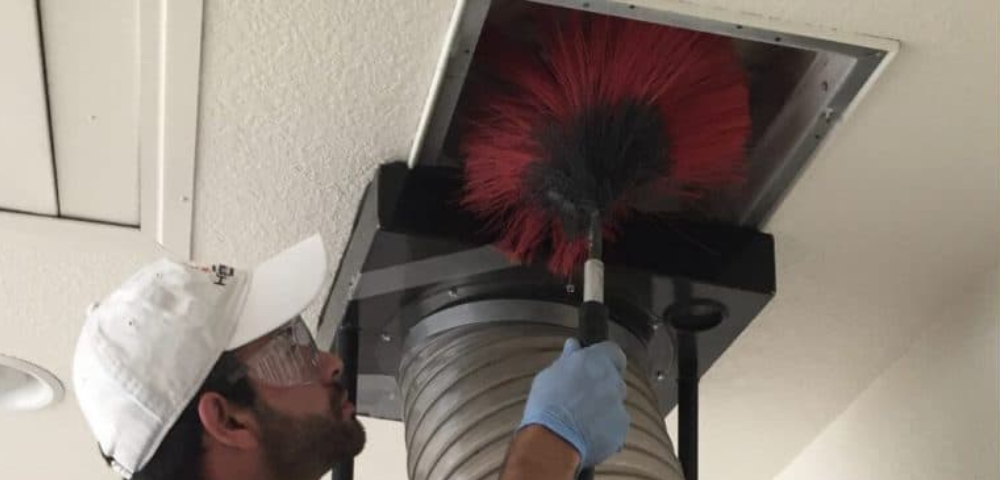
Your home’s heating and cooling system relies heavily on its ductwork to deliver conditioned air. Over time, these essential components can degrade, leading to reduced efficiency and comfort. When duct replacement becomes necessary, understanding the process can help you prepare and make informed decisions. This guide outlines what you can expect when your HVAC ducts need to be replaced, whether you’re in Mary Esther, Gulf Breeze, or Freeport.
Key points
- Duct replacement addresses issues like leaks, damage, and age affecting HVAC performance.
- The process involves inspection, removal of old ducts, and precise installation of new ones.
- Material choices (metal, flexible, insulated) impact system efficiency and durability.
- Proper design ensures balanced airflow and optimal comfort throughout the home.
- Regular maintenance and professional assessments help prolong the life of new ductwork.
Why Replace Your HVAC Ducts?
Ductwork, though often out of sight, plays a critical role in your home’s climate control. Several factors can necessitate duct replacement. Age is a primary concern; materials degrade over decades, leading to leaks, cracks, or structural compromise. Poor installation can result in immediate or gradual problems. Environmental factors like moisture or pests can also damage ducts. Signs that replacement might be needed include uneven heating or cooling throughout your home, unexplained increases in energy bills, visible damage to ducts, or unusual noises coming from the system. In areas like Melbourne or Ferry Pass, consistent performance from your HVAC system is crucial for comfort, making timely duct replacement a smart investment.
The Duct Replacement Process: Step-by-Step
Replacing HVAC ductwork is a comprehensive project. It typically begins with a thorough inspection of your existing system. A technician will assess the condition, size, and layout of your current ducts to determine the scope of work. Following this, the old ductwork is carefully removed. This can involve dismantling sections or removing entire runs, depending on the system’s design and the extent of the damage. Safety precautions are taken to manage debris and ensure a clean work environment. Once the old ducts are gone, the new ductwork is measured, cut, and installed. This stage requires precision to ensure airtight connections and proper airflow. Materials used can vary, including flexible ducts, rigid metal ducts, or insulated ducts, chosen based on the specific needs of your HVAC system and home. Sealing all joints and connections is a critical step to prevent air loss. Finally, the new system is tested to confirm it integrates correctly with your furnace or air conditioner and that airflow is optimized throughout your home. This meticulous process ensures your new ducts will function effectively for years to come.
Materials and Design Considerations
The type of ductwork chosen for replacement significantly impacts system performance and longevity. Common materials include sheet metal, such as galvanized steel or aluminum, which are durable and can be fabricated to precise dimensions. Flexible ductwork, often made of plastic or metal, is easier to install in tight spaces but can be more prone to kinking or tearing if not handled correctly. Insulated ducts are vital for preventing energy loss, especially in unconditioned areas like attics or crawl spaces. The design of the duct system is also paramount. A well-designed system ensures balanced airflow to all rooms, preventing hot or cold spots. This involves calculating the appropriate size for each duct run based on the volume of air that needs to be delivered. Professionals consider the overall layout of your home, the capacity of your HVAC unit, and your comfort preferences when designing a new duct system. This thoughtful approach, whether in Mary Esther or Miramar Beach, leads to a more efficient and comfortable living environment.
Maintaining Your New Ductwork
Once new ducts are installed, proper maintenance is key to maximizing their lifespan and performance. Regular visual inspections can help identify potential issues early. Keep the area around your air handler and duct access points clear of clutter to ensure unobstructed airflow and easy servicing. While duct cleaning is a separate service, occasional checks for dust buildup or debris within the ducts can be beneficial. Avoid storing items near ductwork, as this can impede airflow or potentially damage the material. Following the manufacturer’s recommendations for your HVAC system, including periodic professional tune-ups, will also contribute to the overall health of your ductwork. For residents in Milton or Gulf Breeze, this proactive approach ensures consistent comfort and efficiency from your heating and cooling investments.
Common questions
How long does HVAC duct replacement typically take?
The duration of HVAC duct replacement varies depending on the size and complexity of the system, but it can often be completed within one to several days. Factors like the accessibility of existing ducts and the extent of removal and installation work influence the timeline.
What are the signs my ducts need replacement?
Signs that your ducts may need replacement include uneven temperatures in different rooms, a noticeable increase in energy bills, visible damage like tears or holes, persistent dust issues, or unusual noises from your HVAC system.
Is duct replacement expensive?
The cost of duct replacement can vary significantly based on the materials used, the square footage of the home, and the labor involved. It’s an investment in your home’s efficiency and comfort, and obtaining detailed quotes from service providers is recommended.
Can I replace just a section of my ductwork?
In some cases, it may be possible to replace only a damaged section of ductwork. However, a professional assessment is necessary to determine if a partial replacement is sufficient or if a full system replacement would be more beneficial for overall performance and longevity.